Uncompromising Precision Trusted for Pharmaceutical Precision

Achieve superior solid‑liquid separation with POROSTAR Nutsche Filter Plates

For North American manufacturers in specialty chemicals, food science, and high-purity materials, the filter plate is the heart of the vessel. Whether you are handling APIs/HPAPIs, abrasive catalysts, fine pigments, or sensitive extracts, POROSTAR filter plates provide the monolithic rigidity required to maximize yield and ensure process repeatability.

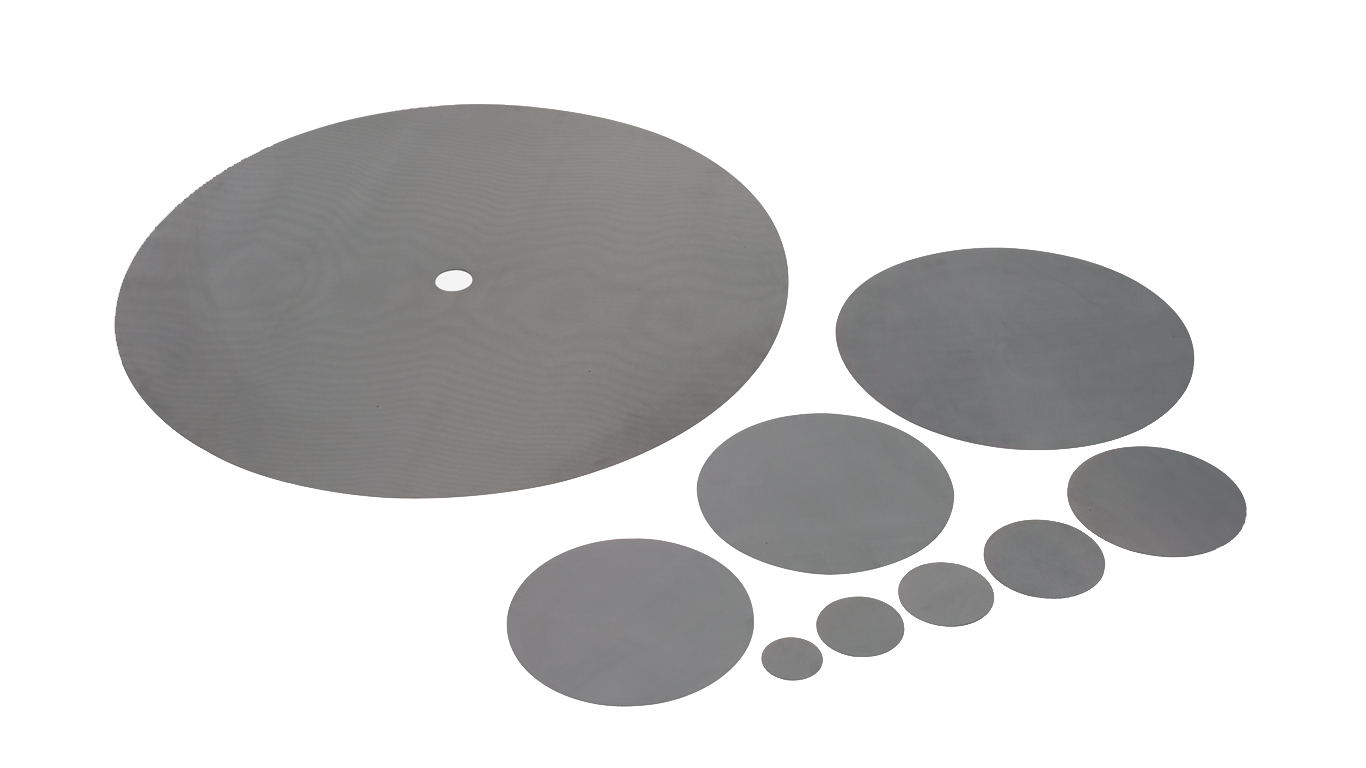
Porostar-Filter-Plate-Collage

POROSTAR® Nutsche Filter Dryer Plates

ASME‑Aligned Construction for Clean, Consistent, Zero‑Shedding Filtration

POROSTAR® Nutsche Filter Dryer plates deliver high‑purity solid–liquid separation through monolithic sintered construction, mechanical stability, and an ultra‑flat, diffusion‑bonded surface for improved cake release and reduced heel. Zero‑shedding reliability, pressure stability, and full CIP/SIP compatibility make POROSTAR® a clear upgrade over traditional filter media.

Layer design, pore structure, and alloy selection are fully customizable, with North American–based repair services available to extend plate life and protect long‑term performance.

POROSTAR® Layer Configuration and Structural Design

POROSTAR_Light

POROSTAR® Light is engineered for compact filtration designs, allowing the fabrication of discs with smaller diameters.

It features a three‑layer construction consisting of a central filtration layer for defined particle retention, supported on both sides by protective layers that stabilize the laminate and safeguard filtration integrity.

POROSTAR_Standard

POROSTAR® Standard is the core sintered wire mesh laminate specification, available in 5- and 6-layer configurations for reliable, all‑purpose filtration. It offers balanced porosity, mechanical strength, and durability, making it suitable for a wide range of filtration applications with consistent performance requirements.

The 5‑layer specification includes a protection layer, filter layer, protection layer, support layer, and final protection layer. The 6‑layer specification adds a drainage layer to this structure, enhancing flow and contaminant removal while maintaining filter integrity.

POROSTAR_HIFLO

POROSTAR® HiFlo is designed to deliver maximum flow capacity, making it ideal for applications operating under low differential pressure. It supports efficient filtration without compromising throughput.

This specification uses a four‑layer laminate with pore sizes ranging from 20 µm to 100 µm. All layers are woven using a standard square mesh to ensure consistent permeability and optimized flow.

POROSTAR_COMBI

POROSTAR® Combi is built for high‑pressure and reverse‑flow applications, combining sintered wire mesh with a supportive perforated plate for added structural strength.

The perforated plate thickness is specified by the customer, allowing customization for pressure and mechanical demands. POROSTAR® Combi can be paired with POROSTAR® Standard, Light, or HiFlo mesh configurations to achieve both strength and targeted filtration performance.

Information Needed To Get Started

Environment & Operating Parameters

Understanding your operating environment allows us to engineer a mesh laminate that performs reliably under your exact conditions.

Information you should be prepared to share:

  • Sample requests

  • Drawings

  • Operating pressure range

  • Target throughput

  • Necessary Plate Quantity

  • Media exposure

  • Corrosive chemistries

  • Filter layer specifications

  • Temperature range

Sharing these parameters upfront enables us to design a plate that delivers stable filtration performance, predictable cake formation, and safe operation throughout every cycle.

Material/Alloy Selection

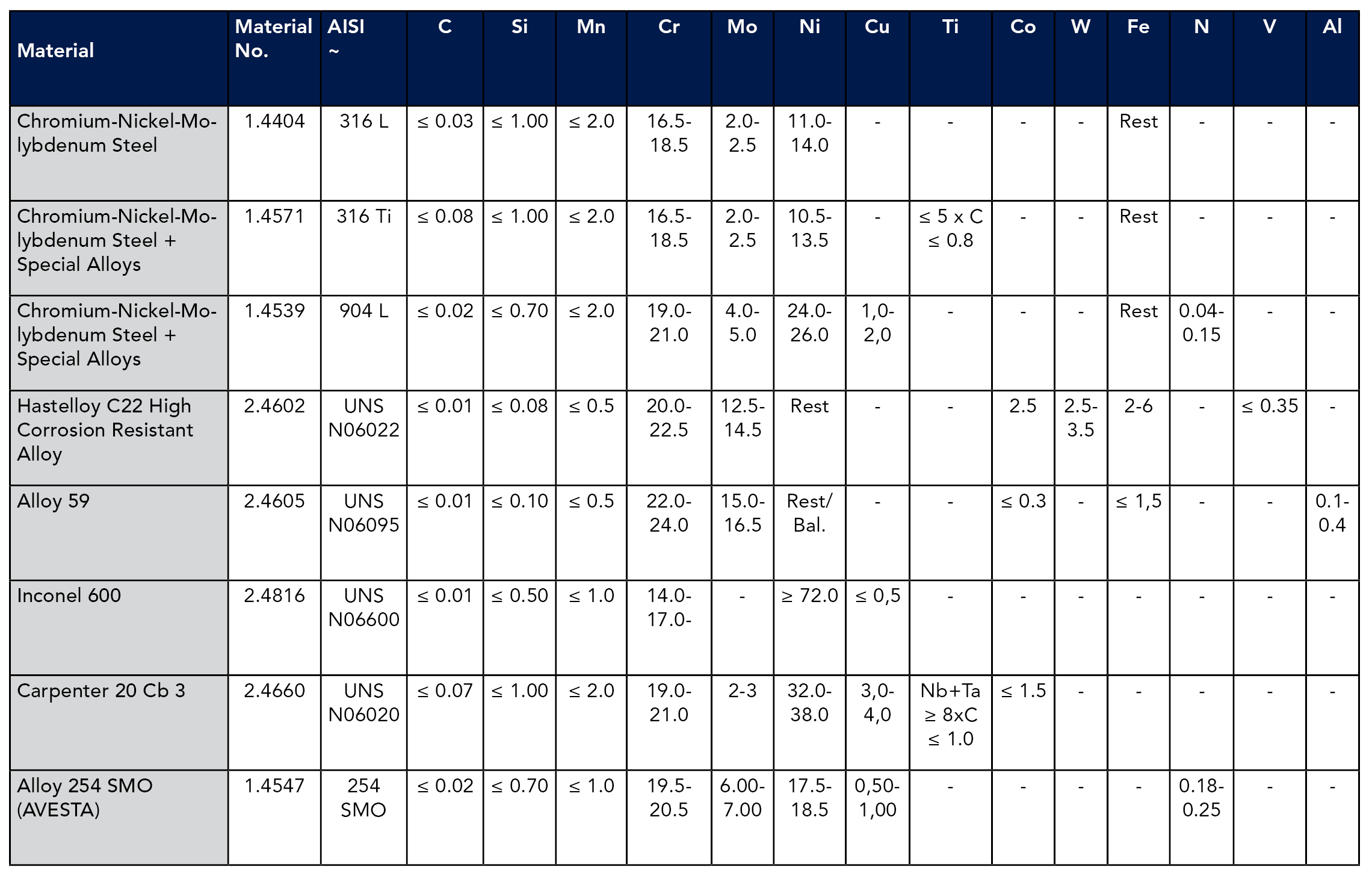
Choosing the right alloy is essential to ensuring your sintered laminate can withstand the chemical, thermal, and mechanical stresses of your Nutsche filtration process. Information on your solvents, pH levels, cleaning protocols (CIP/SIP), temperature ranges, and corrosion risks helps us determine whether stainless steels, duplex grades, or high‑performance alloys like Hastelloy® are the best fit. These details also guide decisions about melt properties, traceability requirements, and the need for enhanced purity or non‑shedding performance. By matching the alloy to your process environment, we ensure your plate maintains structural integrity, resists contamination, and delivers predictable filtration results over its entire service life.


Pharma Alloy Chart_3.16.26


Filter Layer Specifications

The performance of a sintered wire mesh panel is heavily dependent on the filter layer. To engineer the right solution, we need details such as micron rating, weave type, wire diameter, layer thickness, number and order of layers, and whether the layer is designed for surface or depth filtration.


These specifics directly impact particle retention, flow rate, pressure drop, cleanability, and service life. All ensuring the filter layer is precisely matched to your process requirements and purity standards.

Surface Treatments & Finishing Options

Assess whether surface finishing processes like passivation, pickling, electropolishing, or other treatments are needed to improve corrosion resistance, cleanability, or long‑term durability in pharmaceutical environments.

Pickling vs. Passivation

Pickling

Pickling is an aggressive chemical cleaning process used to remove oxide scale, heat tint, weld discoloration, rust, and other contaminants introduced during welding, forming, or fabrication. It uses acid solutions, typically nitric plus hydrofluoric acid, to strip away these surface impurities and restore a clean, uniform stainless‑steel surface capable of naturally reforming its protective chromium‑oxide layer. Pickling is essential when wire mesh components show discoloration, contamination, or weld‑affected zones, ensuring all residues are eliminated before subsequent treatments.


Passivation

Performed after pickling or mechanical cleaning, passivation is a non‑destructive chemical treatment that removes free iron from the steel surface and enhances the formation of the chromium‑rich passive film responsible for corrosion resistance. Using nitric or citric acid solutions, passivation does not remove scale or oxide but strengthens the material’s long‑term resistance, critical for pharmaceutical and hygienic applications. It is often required for components exposed to corrosive environments and is aligned with standards

Wire Thickness

Wire-Diameter

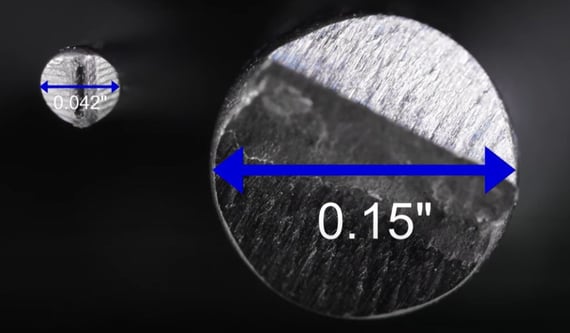
Wire thickness directly influences the strength, permeability, and long‑term durability of your sintered laminate. Understanding your pressure profile, batch weight, agitator interaction, and desired flow performance helps us determine the appropriate wire diameters needed throughout the plate’s structure. These details allow us to engineer a laminate that maintains dimensional stability, resists deformation, and supports consistent filtration, even under demanding mechanical and thermal stresses. With the right wire thickness foundation, your Nutsche filter plate delivers predictable performance and extended service life across every production cycle.

Get More From Your Nutsche Filter

Concerned about the performance of your nutsche filter?
Request an audit to uncover what’s working and address issues before they impact operation.

APIs and HPAPIs: Where Purity Starts

POROSTAR® plates deliver the micron‑precision and non‑shedding performance required to protect high‑purity drug products and meet strict regulatory demands. Their monolithic structure ensures consistent filtration, uniform cake formation, and reliable cleaning, even in highly potent environments.

Learn More →
material-samples
Agriculture-Particle-Analysis

Reliability in Corrosive Agrochemical Conditions

POROSTAR® plates provide the corrosion resistance and mechanical strength needed for pesticide and fertilizer production, where harsh acids, solvents, and chlorides are routine. Their rigid, high‑alloy laminate construction maintains stability under pressure and delivers long service life, ensuring consistent separation performance across demanding agrochemical batches.

Clarity That Shows

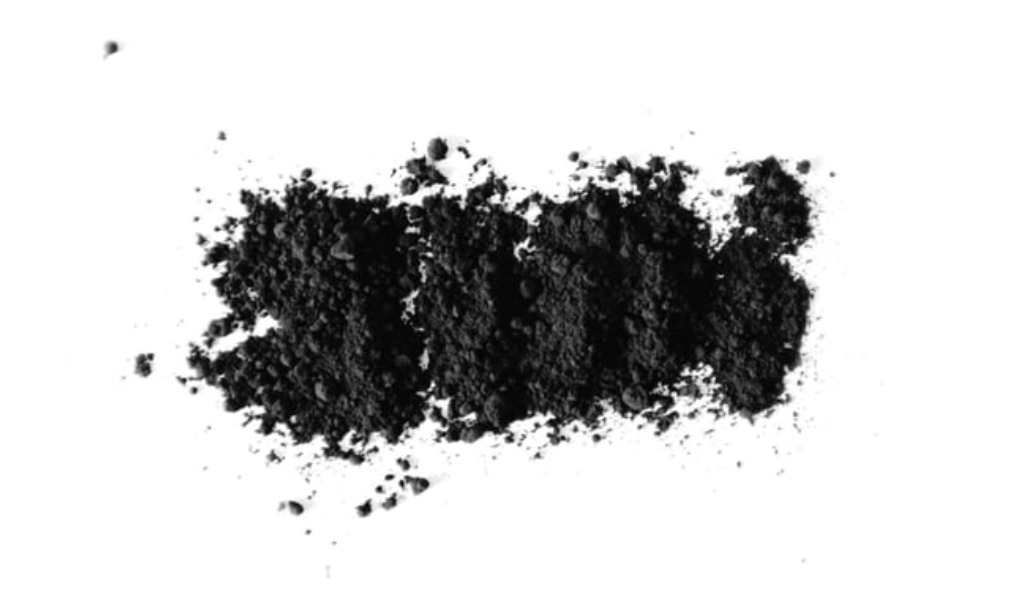
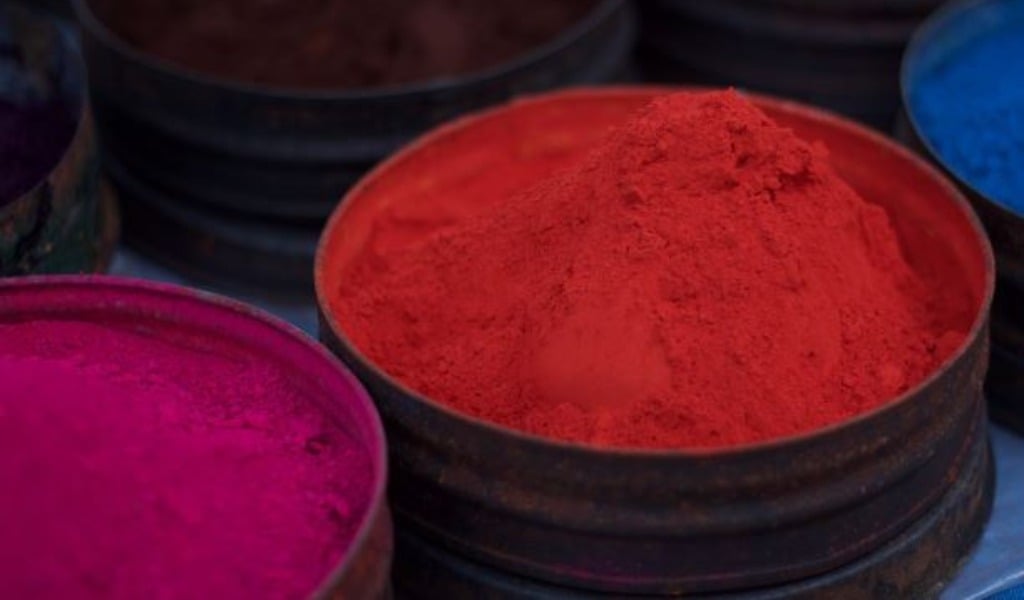
POROSTAR® plates provide clean, uniform separation that helps maintain strict batch‑to‑batch color consistency. Their stable pore architecture prevents particle breakthrough and delivers the clarity required for premium pigments and dye formulations.

Pigment-Woven-Wire-Mesh

Inside the Engineering That Elevates Nutsche Filtration

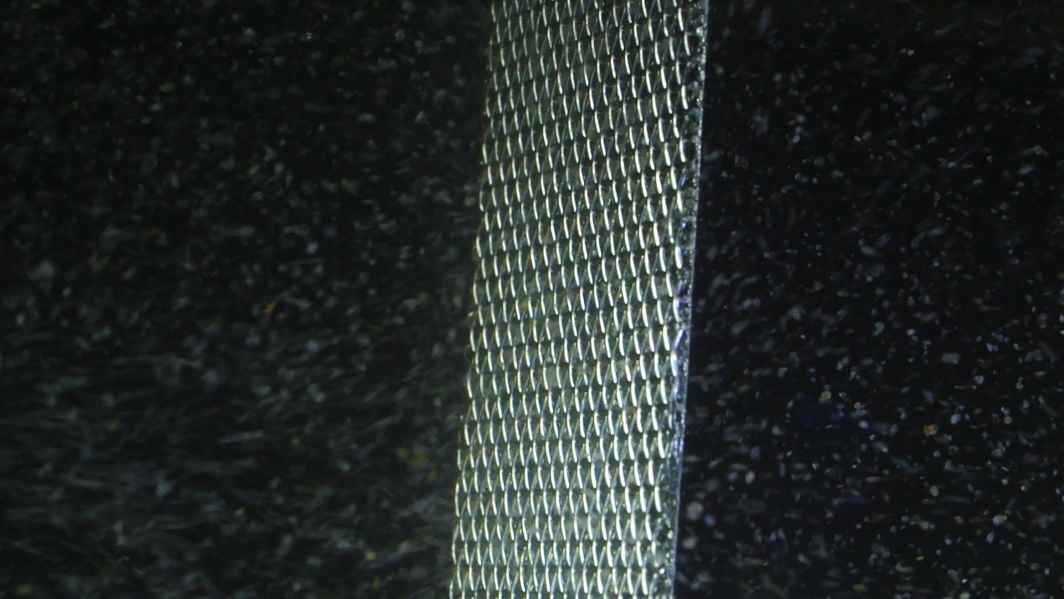
POROSTAR® sintered mesh panels use methodically stacked protective, filtration, drainage, and support wire mesh layers, each engineered to maintain pore stability, prevent deformation, and ensure clean, consistent flow in Nutsche filtration.

This construction delivers what operators value most: higher recovery, smoother cake release, faster cycle times, and repeatable batch performance.

A Clear Path Through the Full Nutsche Filtration Workflow

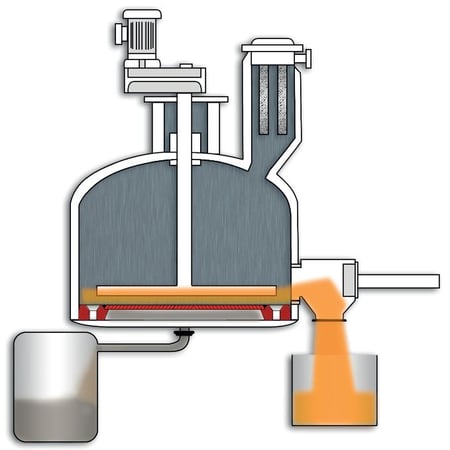
Nutsche filtration is a tightly coordinated workflow where every stage directly affects yield, purity, and batch consistency. This overview maps the full process so you can see how each step connects, where efficiency is gained or lost, and how the right filtration media and mechanical stability support reliable performance from start to finish.

nutsche-filter
Step 1 - Filling/Charging

As the slurry is transferred from the reactor into the Nutsche filter, the fill volume must be carefully controlled to ensure the solids height remains within the agitator’s stroke range. This stage sets the foundation for uniform cake formation and downstream consistency.

How POROSTAR® Helps:
The filter plate acts as the initial load‑bearing surface, supporting the full weight of the incoming slurry. POROSTAR’s rigid, diffusion‑bonded multilayer construction provides the flat, stable base needed to prevent sagging, pillowing, or deformation, issues commonly seen with flexible synthetic cloths. This structural stability helps maintain proper flow paths and ensures the process starts on solid footing.

Step 2 - Filtering

Once the vessel is filled, pressure or vacuum is applied to pull liquid through the solids bed and the underlying filter media. As the filtrate exits, the solids consolidate into a uniform filter “cake”, a critical stage that determines clarity, flow behavior, and overall cycle efficiency.

How POROSTAR® Helps:
POROSTAR® delivers true surface‑filtration performance. Unlike cloth or felt, where particles become embedded deep within the fibers and restrict flow, POROSTAR’s diffusion‑bonded mesh retains solids cleanly on the surface. Even under high differential pressures, the pore structure remains stable, flow rates stay higher for longer, and blinding is minimized. The result: cleaner filtrate, more predictable cycle times, and a cake that forms evenly across the plate.

Step 3 - Displacement Washing

Fresh wash liquid is applied to the cake, typically sprayed or gently flooded, and then driven through the solids by pressure or vacuum. The goal is to remove mother liquor and residual impurities without disturbing the cake structure, preserving its integrity for downstream steps.

How POROSTAR® Helps:
POROSTAR’s perfectly flat, diffusion‑bonded construction ensures uniform porosity across the entire filtration surface. This creates an even flow profile during washing, preventing channeling and ensuring the solvent reaches every section of the cake. With consistent flow resistance and a stable surface, the wash liquid displaces contaminants efficiently, delivering cleaner solids, more complete impurity removal, and a predictable, reproducible wash step.

Step 4 - Reslurry Washing

For deeper impurity removal, fresh wash liquid is mixed directly back into the cake. The agitator blends the solids into a uniform slurry, maximizing contact between the wash medium and trapped contaminants. Once mixing is complete, the agitator is lifted and the wash liquid is filtered out again, leaving behind a cleaner, more thoroughly rinsed cake.

How POROSTAR® Helps:
Reslurry mixing generates high torque and turbulent forces that can easily damage traditional cloth or loose‑wire screens. POROSTAR’s monolithic, diffusion‑bonded construction delivers exceptional torsional rigidity that cannot tear, fray, or spin out of its housing during aggressive agitation. This mechanical stability protects the process, maintains uniform pore channels, and ensures reliable filtration even under the most demanding reslurry conditions.

Step 5 - Smoothing

During the smoothing step, the agitator compresses the filter cake and closes any cracks or fissures that formed during filtration. This ensures gas or liquid flows uniformly through the solids rather than bypassing them through gaps, an essential step for consistent drying, washing efficiency, and downstream uniformity.

How POROSTAR® Helps:
Smoothing requires the agitator to run extremely close to the filtration surface. POROSTAR’s diffusion‑bonded, monolithic construction delivers micron‑precision flatness and resists bowing or pillowing under pressure. This stability allows OEMs to set much tighter agitator clearances without risking media damage. The result is a more densely packed, uniform cake and a far more efficient process step overall.

Step 6 - Drying Cooling

During the drying stage, the vessel surfaces are heated and remaining moisture is removed either through vacuum‑driven evaporation or by blowing heated gas downward through the cake and porous plate. This step determines the final dryness, product stability, and efficiency of downstream handling or discharge.

How POROSTAR® Helps:
As a fully metallic filtration medium, POROSTAR® conducts heat far more efficiently than synthetic alternatives, supporting faster and more uniform drying. In convection‑based drying, its precisely engineered pore structure reduces pressure drop through the plate, allowing heated gas to move more freely and reach the full depth of the cake. The result is improved drying performance, shorter cycle times, and more consistent final product quality.

Step 7 - Discharging

During discharge, the agitator is lowered while rotating, guiding the dry or wet solids toward the side discharge port. This final step determines how much of the batch is actually recovered and how efficiently the system can be prepped for the next cycle.

How POROSTAR® Helps:
This stage is where yield is won or lost. POROSTAR’s rigid, diffusion‑bonded construction allows the agitator to sweep with micron‑level clearance from the plate without risking damage. That precision enables near‑complete heel recovery, the valuable product traditionally left behind by flexible or wrinkled cloth media. With POROSTAR, the agitator can safely reach closer, remove more material, and ensure that almost 100% of the batch is discharged.

Matched-Test-Sieve

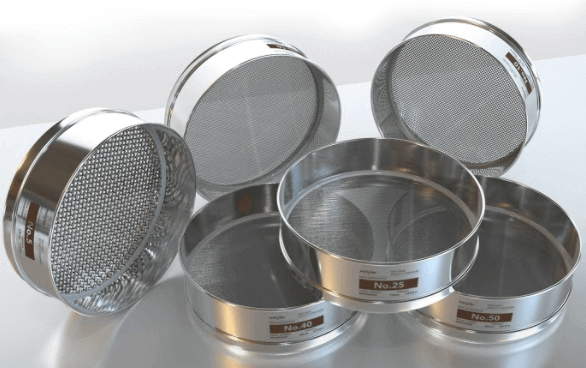
Looking for test or granulating sieves?

For critical sieving applications, your results are only as reliable as the sieves you use. Our test and granulating sieves deliver uniformity, repeatability, and regulatory confidence for QC labs and production teams.

Challenges POROSTAR Can Solve

favicon

Dual Sinterd Integrity for Batch Purtity
The pharmaceutical industry’s zero‑defect standard leaves no room for filters that shed contaminants or fail under pressure. POROSTAR’s diffusion‑bonded construction delivers true zero‑shedding performance and eliminates delamination risk, ensuring stable, consistent filtration and protected product quality throughout the batch.

favicon

Precision Particle Size Control
Traditional filters can introduce foreign particulates into pharmaceutical processes, which is unacceptable in an industry that operates under a zero‑defect mandate. Because POROSTAR sintered mesh is a monolithic, fiber‑free structure, it delivers true zero‑shedding reliability and eliminates the risk of fibers or plasticizers entering the product stream.

favicon

Mechanical Durability & Asset Longevity
The pharmaceutical industry operates under a strict zero‑defect mandate for foreign particulates, yet traditional filters can contribute contamination instead of preventing it. POROSTAR works to prevent fibers, plasticizers, or loose particles from entering the product stream.

favicon

Cleaning-In-Place (CIP) & Cross-Contamination
Non‑woven or cloth filters trap particles deep within their fibers, making them nearly impossible to clean completely and increasing the risk of cross‑contamination between batches. Because sintered mesh provides true surface filtration, it enables verifiable cleaning and gives facilities the confidence to switch between products without residual carryover.

favicon

Corrosive Chemical and Thermal Integrity
Pharmaceutical synthesis often involves harsh solvents, fuming acids, and high‑chloride environments that quickly corrode standard stainless steel. By using corrosion‑resistant alloys like Hastelloy C‑22, sintered mesh prevents rouging, protects product purity, and maintains its precise micron rating for years instead of months.

favicon

Flow Distribution & Channeling deterant
In Nutsche filter dryers, non‑uniform frit porosity disrupts flow distribution across the plate, leading to channeling, uneven cake formation, and reduced washing efficiency. Uniform, precision‑engineered POROSTAR® filter plates maintain consistent flow through the cake, supporting controlled mass transfer and improved product purity in critical pharmaceutical processes.

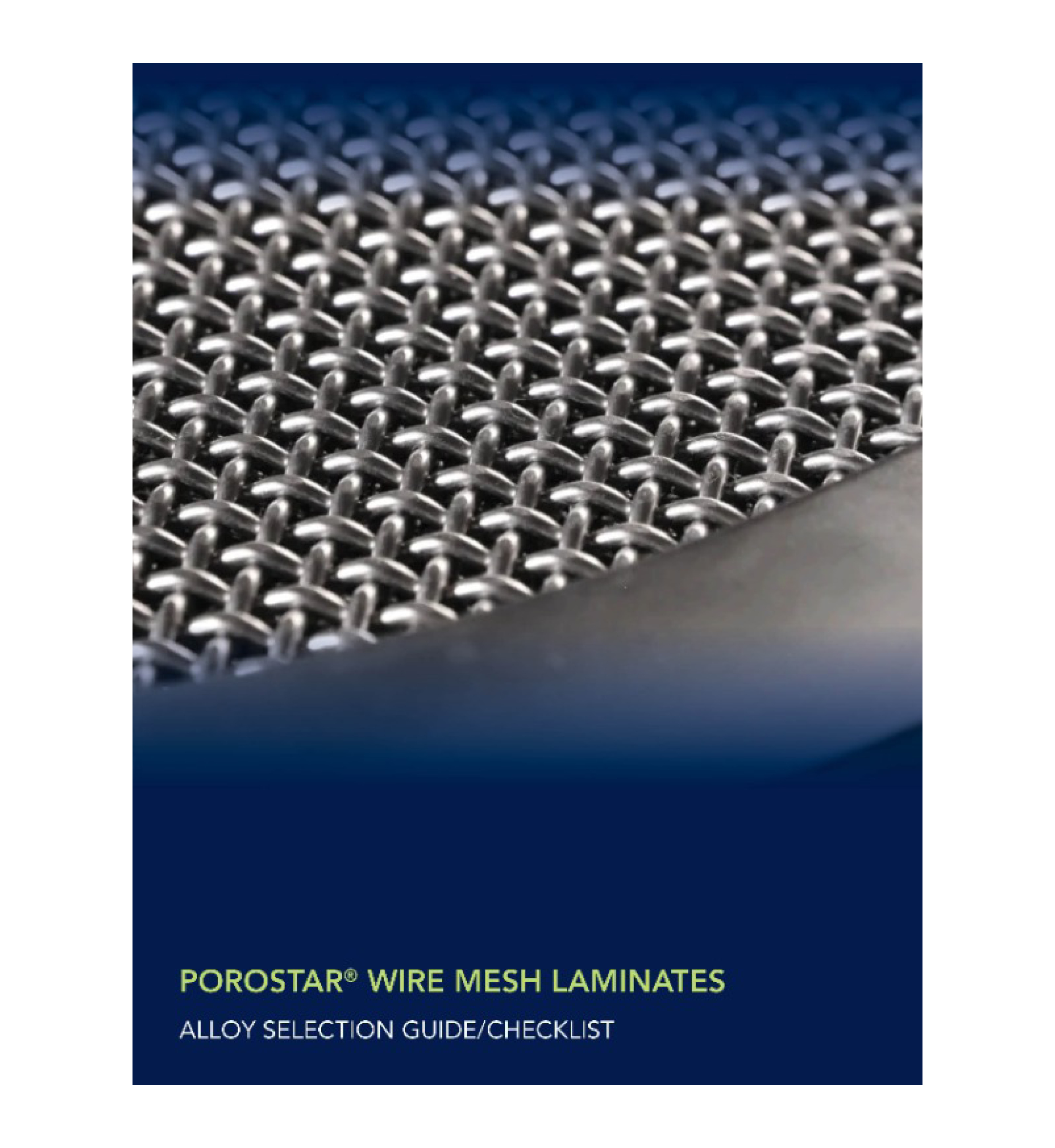
POROSTAR-Alloy-Selection-WP

Optimize POROSTAR® Performance With the Right Alloy

Built for Precision. Trusted in Countless Applications.

Explore how the right alloy choice unlocks the full performance potential of POROSTAR® sintered wire mesh and achieve optimal filtration precision, durability, and operational efficiency. 

Performance, Compliance & Design: Your Questions, Answered

What makes POROSTAR® sintered plates different from traditional filter media?

POROSTAR® plates differ fundamentally from traditional filter media because they are built as a fully sintered, diffusion‑bonded laminate, not a stacked or stitched assembly. In conventional cloth, felt, paper, or mesh‑supported systems, the filtration layer can shift, compress, delaminate, or shed fibers during operation, especially under high pressure, aggressive solvents, or contact with an agitator. POROSTAR® eliminates these failure modes entirely by permanently bonding multiple wire mesh layers into a single monolithic structure with fixed pore geometry and exceptional mechanical stability.

This rigid structure allows POROSTAR® plates to maintain consistent permeability, precise micron retention, and uniform flow distribution across the entire plate surface, even during demanding filtration, washing, and drying cycles. Because the pore architecture cannot deform, operators experience fewer issues with channeling, uneven cake formation, or media blinding, problems that directly impact cycle times, product purity, and batch reproducibility in Nutsche filter dryer processes.

POROSTAR® also provides a significantly higher level of durability and longevity compared to textile-based media. It resists thermal cycling, corrosive chemistries, vacuum and pressure swings, and mechanical forces exerted by the agitator or heel‑removal steps. This long-term rigidity means processes stay closer to their validated performance benchmarks for years instead of months.

Finally, because the structure is metallic and non‑shedding, POROSTAR® helps eliminate a major contamination risk inherent to synthetic filters. Facilities working with APIs, HPAPIs, high-purity specialty chemicals, and fine pigments see a measurable reduction in foreign particles and extractables, making POROSTAR® not only a performance upgrade, but a regulatory and quality assurance advantage as well.

How do POROSTAR® plates support regulatory and quality compliance in pharmaceutical applications?

POROSTAR® plates are manufactured under a rigorously controlled quality management system designed to meet the expectations of pharmaceutical and high‑purity chemical production. Every stage of fabrication, wire drawing, weaving, sintering, machining, welding, and final inspection, is documented and monitored to preserve full process visibility and prevent variability. This end‑to‑end control ensures a repeatable, traceable product that aligns with the level of scrutiny expected in GMP‑driven environments.

A key advantage is material traceability down to the melt level. Every batch of wire used in a POROSTAR® laminate includes complete mill certification and alloy verification, enabling users to track material origin, composition, and heat number. This gives QA teams confidence that the filtration media in contact with APIs and HPAPIs meets stringent purity and metallurgical requirements, and supports clean audit trails during regulatory reviews.

POROSTAR® plates are produced under an ISO 9001–certified system and engineered to satisfy ASME‑aligned mechanical and material criteria, ensuring that critical parameters, such as pore size, flatness, mechanical strength, and corrosion resistance, are consistently verified. Each finished plate undergoes dimensional checks, weld integrity inspections, permeability validation, and visual examination to confirm that the laminate meets its defined filtration specification before it leaves the facility.

For pharmaceutical manufacturers, this level of documentation and repeatability reduces the risk of batch deviations, foreign‑particle contamination, and performance drift over time. By providing a stable, non‑shedding, fully traceable filtration component, POROSTAR® plates help maintain validated process conditions, streamline regulatory audits, and reinforce overall patient‑safety and product‑purity initiatives.

What is the expected service life of POROSTAR® Nutsche Filter Dryer plates?

The service life of a POROSTAR® plate is significantly longer than traditional filter media because the laminate’s diffusion‑bonded structure preserves both mechanical strength and pore geometry over years of operation. While actual lifespan depends on process severity, pressure levels, thermal cycling, solvent exposure, agitator contact, and cleaning intensity, POROSTAR® plates routinely remain in service several times longer than cloth, felt, or paper-based systems.

Because the laminate is fully metallic and monolithic, it does not warp, delaminate, or shed fibers, even under aggressive chemical or mechanical loads. This stability allows the plate to maintain consistent filtration behavior, predictable cake formation, and repeatable permeability long after textile media would have needed replacement. Customers working with corrosive chemistries, abrasive solids, or high batch frequencies often see the most dramatic increases in longevity.

A major contributor to extended service life is the plate’s ability to withstand demanding cleaning cycles, including steam-in-place (SIP), solvent washes, and high-temperature drying. POROSTAR® maintains its structural integrity through repeated thermal swings, minimizing performance drift over time. In many cases, facilities only replace plates when their internal processes change, not because the media has failed.

With proper handling and routine inspection, POROSTAR® plates can deliver multi‑year reliability, reducing downtime, improving process stability, and significantly lowering total cost of ownership. For many operators, the extended lifecycle becomes a core part of their long-term filtration strategy.

Can POROSTAR® Nutsche Filter Dryer plates be repaired, or do they need full replacement?

Yes! POROSTAR® plates can often be repaired, and we offer two distinct methods depending on the severity of the damage. For localized issues, we perform a partial repair, where the affected area is precision‑cut out and replaced with a matching POROSTAR® specification. The section is welded in with a seam that is flat, minimal, and engineered to maintain the plate’s flow characteristics and structural integrity.

If the damage is more extensive, we perform a complete repair, removing the entire POROSTAR® disc from the frame ring and retrofitting a new sintered laminate into your existing frame. This approach restores full performance without requiring you to replace the entire assembly.

Both repair methods are done on‑site in our North American facility in Cleveland, Ohio, allowing for controlled quality, faster turnaround, and complete alignment with the original plate specifications.

How do POROSTAR® plates impact filtration efficiency and batch performance?

POROSTAR® sintered laminates are engineered to deliver highly uniform flow distribution across the entire plate surface, which directly improves the core performance metrics of any Nutsche filtration or drying process. Because each layer is diffusion‑bonded into a rigid, monolithic structure, the pore geometry remains fixed, even under high pressure, vacuum cycles, or agitator interaction, preventing channeling, bypassing, and uneven cake development. This stability results in more consistent cake formation, reduced filtration time, and more predictable washing behavior from batch to batch.

The controlled pore architecture of the laminate also enhances washing efficiency by allowing wash liquid to penetrate evenly through the cake instead of cutting paths through weak spots or cracks. This leads to cleaner products, lower solvent usage, and better impurity removal. During drying, the laminate’s structural rigidity ensures uniform gas and heat flow across the plate, supporting faster, more reproducible drying cycles and improved thermal performance.

Because POROSTAR® plates maintain their geometry and permeability over years of operation, they help facilities preserve validated process conditions with minimal drift. This consistency is especially important in regulated industries where predictable cycle times, reproducible cake quality, and steady throughput are essential to maintaining both compliance and operational efficiency.

ISO-9001

Engineered for Compliance. Built for Peace of Mind.

When operating under strict standards, you need a wire mesh partner with equally controlled processes. That’s why every stage of POROSTAR® Nutsche Filter Dryer plate fabrication, from wire drawing to final packaging, is governed by a comprehensive quality management system.

Each plate is rigorously inspected to ensure consistent performance and full ASME and ISO 9001 compliance, with complete material traceability maintained down to the melt level. This disciplined approach delivers filter media engineered for reliability, compliance, and long‑term process integrity.>

Mesh design is customized to your process, validated through sampling, and refined until optimal performance is achieved.

Explore Wire Mesh Solutions for Cleaner, Safer Pharmacuticals