Premium Downhole Sand Control Screens Engineered for Longer Well Life

Trusted by operators & service companies across North America

Porostar® 4-layer sintered mesh downhole screens deliver superior plug resistance, corrosion protection in H₂S/CO₂ service, and mechanical integrity for Permian horizontals, deepwater HPHT, and unconventional wells.

POROSTAR-Candles

THE REALITY OF SAND PRODUCTION

Sand control is one of the most critical, costly, challenges in modern well completions.

Plugging & Fines Migration
Ultra-fine particles, clays, limestone, and scale rapidly block pores in conventional screens, increasing differential pressure and killing productivity.


Erosion & Mechanical Failure
High-velocity sand flow erodes media. Long horizontals and installation loads cause collapse or hot spots, especially with improper gravel packing.


Corrosion & Material Degradation
H₂S, CO₂, chlorides, and temperatures up to 400°F cause pitting and stress cracking. Standard 316L often falls short in severe service environments. Traditional wire-wrap and slotted liners frequently fail to deliver in today’s demanding reservoirs. Operators in the Permian, Gulf of Mexico, and international unconventional need a step-change in reliability.


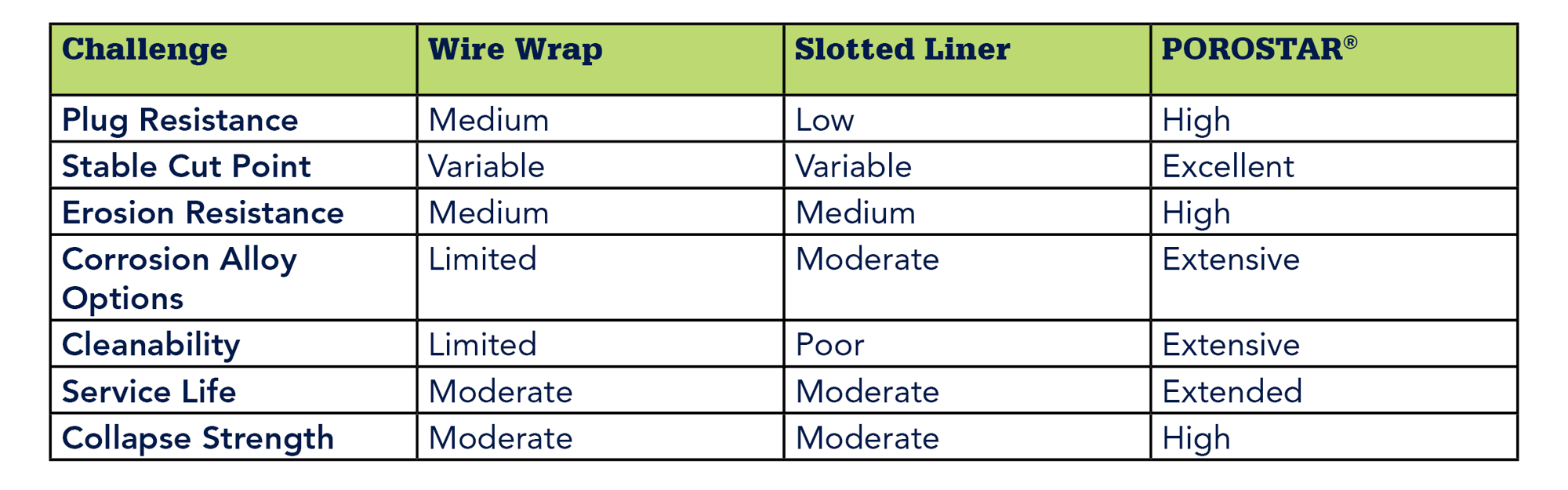
Why Conventional Screens Fall Short

Why Conventional Screens Fall Short

POROSTAR® Technology

Engineered for performance where it matters most.

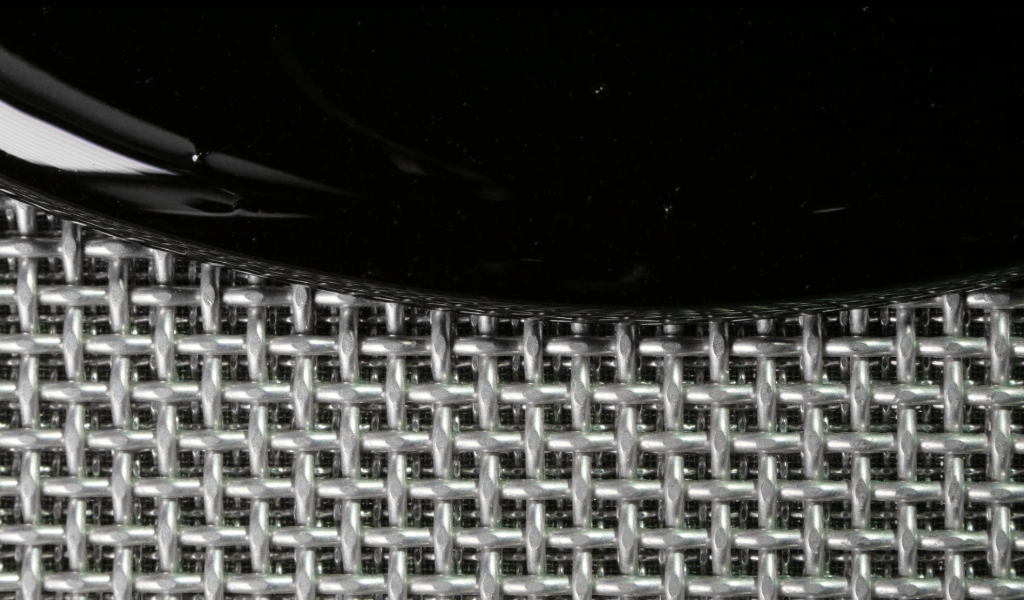
Purpose-built for premium downhole sand control, Porostar® 4-layer sintered mesh technology combines precision
filtration with a robust multilayer construction that resists plugging, erosion, collapse, and corrosion. Its engineered
pore structure delivers a stable filtration cut point,l ow pressure drop, and superior cleanability, helping operators
maintain production and extend screen service life.

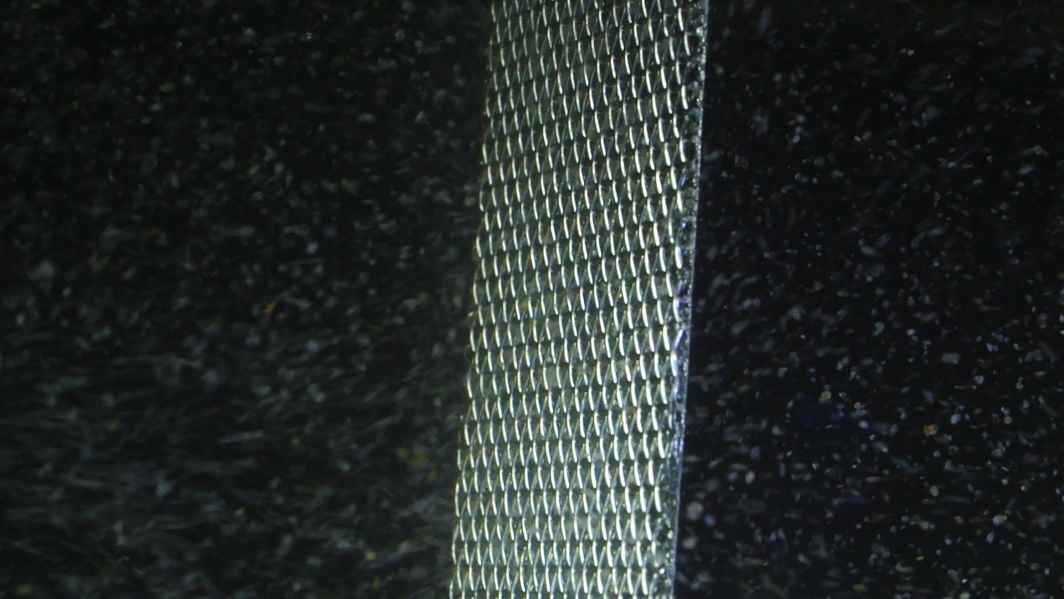
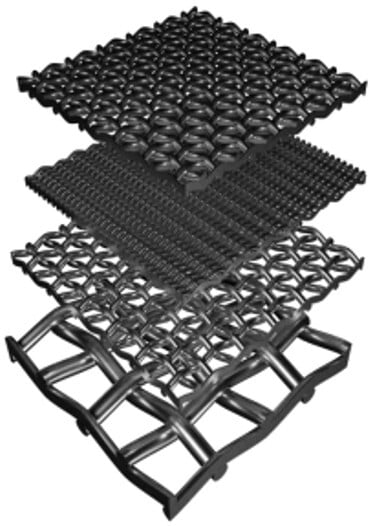
4-Layer Sintered Laminate Construction:

  • Top protection layer
  • Filtration layer (100–300 µm nominal)
  • Support layer
  • Bottom drainage layer

 *POROSTAR is also available in 3-layer Light and Hiflo variants for specific flow/pleating needs. Combi option with perforated plate for extreme pressure. 

Multi-Layer-Wire-Mesh
Stable Cut Point Filtration

Porostar® features a tunable filtration rating from 100–350 μm, delivering precise particle retention without sacrificing production. The engineered pore structure maintains a stable cut point throughout service life, helping operators reduce sand production while maximizing flow efficiency. High open area design minimizes differential pressure (ΔP), supporting sustained well productivity and improved recovery.

Rigid Sintered Laminate Construction

The multi-layer sintered mesh construction creates a rigid, mechanically robust filtration media capable of resisting erosion, collapse, and deformation under demanding operating conditions. Designed for long laterals, high production rates, and challenging completion environments, Porostar provides reliable performance where conventional screen technologies are more susceptible to failure.

Back-Flushable & Cleanable Design

Unlike traditional screen media that can permanently lose performance due to plugging, POROSTAR® is designed for back-flushing and cleaning. This capability helps restore flow capacity, reduce screen replacement frequency, and extend operational life. The result is fewer costly interventions, lower total ownership costs, and improved long-term well economics.

From Standard Sections to Fully Customized Assemblies

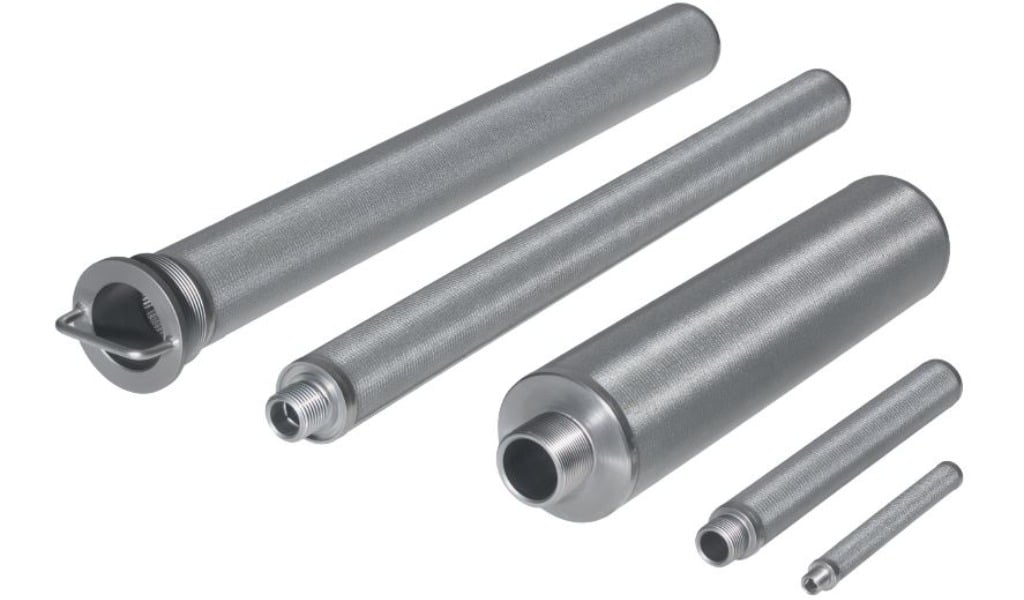
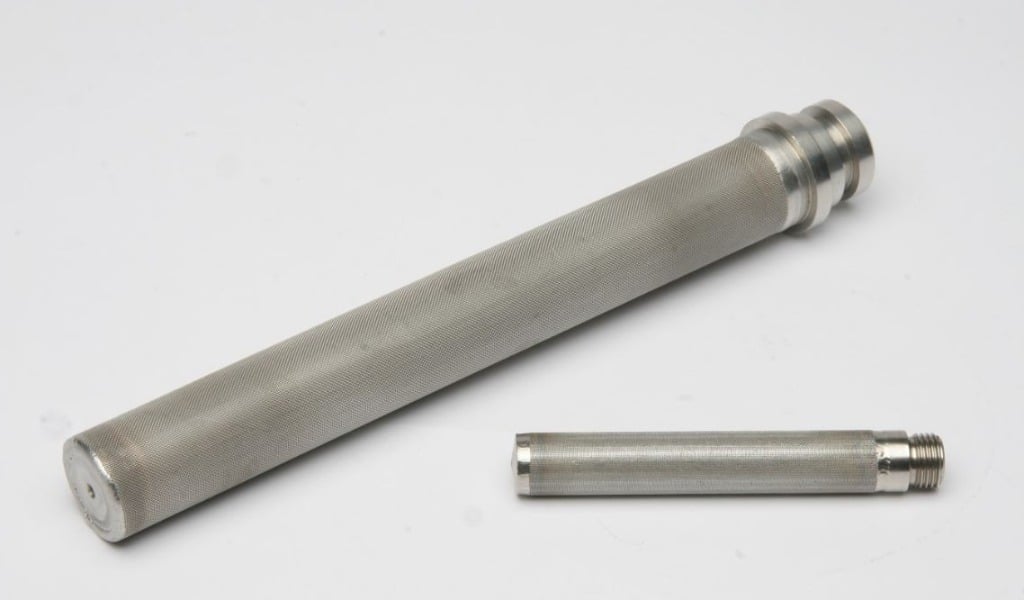
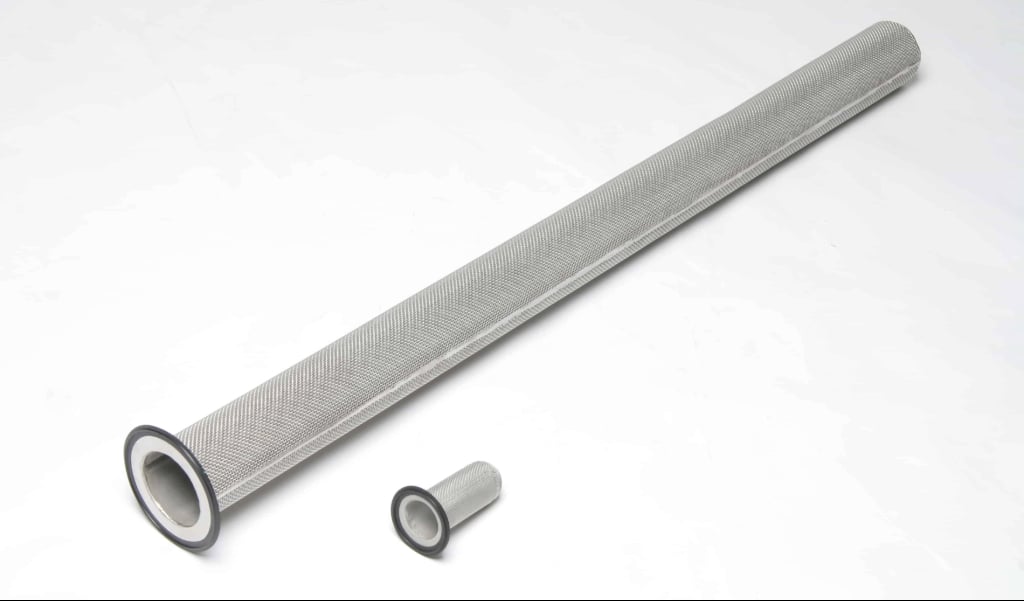
POROSTAR® downhole tubes are manufactured in **3-9 meter lengths** and can be tailored with custom welding and end-cap configurations to meet the specific mechanical and operational demands of your well.

A Clear Path Through the Full Nutsche Filtration Workflow

Nutsche filtration is a tightly coordinated workflow where every stage directly affects yield, purity, and batch consistency. This overview maps the full process so you can see how each step connects, where efficiency is gained or lost, and how the right filtration media and mechanical stability support reliable performance from start to finish.

Wire-Mesh-Filter-Alloy
316-L Stainless Steel

316-L stainless steel offers an excellent balance of corrosion resistance, strength, and durability for sand control applications. Its low-carbon composition improves weld integrity and helps resist pitting and chloride attack, making it a dependable choice for wire mesh laminate screens in demanding oil & gas environments.


Key Benefits

  • Excellent corrosion resistance
  • Strong, weldable construction
  • Reliable downhole performance
  • Long-term filtration stability
  • Cost-effective material choice
  • Suitable for open-hole and cased-hole completions
Alloy 20

Alloy 20 is engineered for challenging wells where standard stainless steels may not provide sufficient corrosion resistance. With superior resistance to H₂S-, CO₂-, and chloride-containing environments, it helps maintain screen integrity and filtration performance in aggressive production conditions.


Key Benefits

  • Exceptional corrosion resistance

  • Ideal for sour service applications

  • Withstands H₂S, CO₂, and chlorides

  • Maintains long-term screen integrity

  • Reduces risk of premature failure

  • Preferred for severe downhole environments

Stop Sand Damage In Its Tracks

Every day of ineffective filtration increases the risk of equipment damage, production losses, and unplanned maintenance. Discover the filtration strategies operators use to extend equipment life and improve long-term well performance.
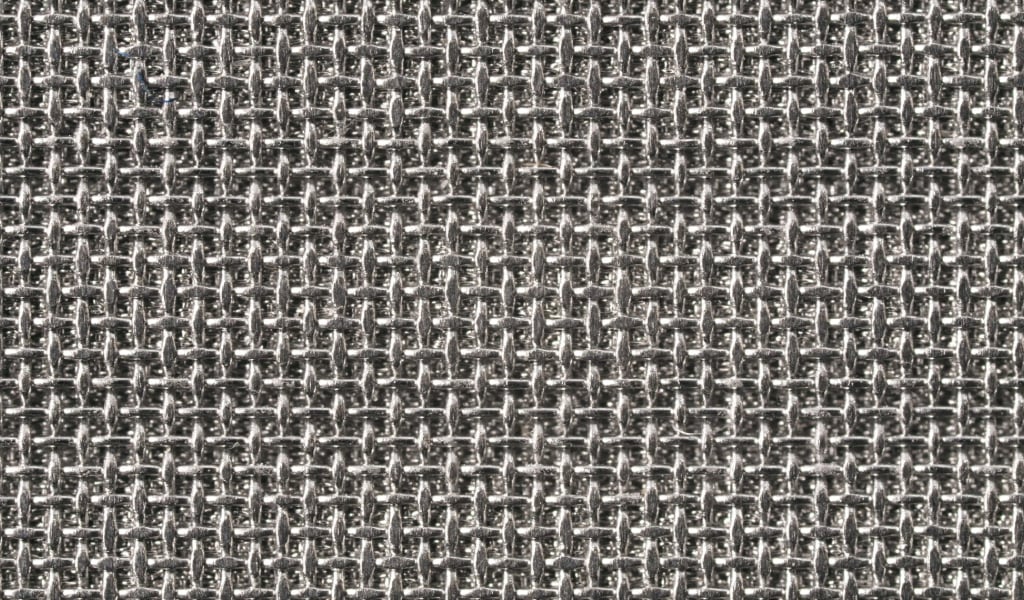
Learn More →
oil-and-gas-filter-equipment
oil-gas-filtration

Proven Downhole Stability

From collapse resistance to stable pore geometry, engineered wire mesh laminates provide the foundation for reliable filtration in high-pressure, high-flow environments. See why screen design matters as much as screen media.

Learn More →

Are You Asking the Right Questions?

Choosing the proper filtration rating, laminate construction, and alloy can make the difference between years of reliable performance and early screen failure. Discover the questions that drive smarter sand control design decisions.

Learn More →
oil-and-gas-filter

Superior Sand Control. Greater Well Performance.

Ready to reduce workovers and maximize production?
Partner with Haver & Boecker’s sand control specialists. We’ll help you select the optimal
POROSTAR configuration for your reservoir conditions and completion design.

THE HAVER & BOECKER DIFFERENCE

favicon

Longer Run Life & Higher Reliability
Rigid sintered laminate resists erosion, collapse, and plugging. Back-flush capability directly reduces costly workovers and maximizes Estimated Ultimate Recovery (EUR).

favicon

HCEFP Strategy: Hold Coarse, Expel Fines
Stable pores prevent plugging while allowing fines passage. This is critical for unconsolidated Permian sands and heterogeneous reservoirs with variable permeability.

favicon

US-Based Manufacturing & Supply Reliability
 Ohio facility ensures quality consistency, faster response times, and secure domestic supply chains. Key for deepwater operators and domestic service companies. 

favicon

Independent Premium Specialist
Not captive to one service company. Attractive partner for screen packagers and operators seeking best-in-class solutions without compromise.

favicon

Premium Performance at Competitive Value
Superior fine particle retention and flow efficiency versus basic wire-wrap. Positions H&B as the go-to independent for high-performance screens.

POROSTAR-Alloy-Selection-WP

Optimize POROSTAR® Performance With the Right Alloy

Built for Precision. Trusted in Countless Applications.

Explore how the right alloy choice unlocks the full performance potential of POROSTAR® sintered wire mesh and achieve optimal filtration precision, durability, and operational efficiency. 

Performance, Compliance & Design: Your Questions, Answered

What makes sintered wire mesh screens different from traditional wire-wrap screens?

POROSTAR® sintered wire mesh screens are engineered with a multi-layer laminate structure that creates a highly uniform and stable filtration matrix. Unlike conventional wire-wrap screens, which can have variable opening sizes and are more susceptible to localized plugging, sintered mesh provides a consistent filtration cut point and improved particle retention. The rigid laminate construction also offers superior resistance to erosion, collapse, and mechanical deformation, helping maintain performance throughout the life of the well.

How do I determine the right micron rating for my sand control application?

Selecting the proper filtration rating depends on reservoir characteristics, particle size distribution, production rates, completion type, and acceptable sand production levels. While tighter micron ratings may improve sand retention, they can also increase plugging risk if not properly matched to formation conditions. A sand control specialist can evaluate reservoir data and screen performance requirements to help optimize filtration efficiency, productivity, and screen longevity.

When should I choose Alloy 20 instead of 316L stainless steel?

316L stainless steel is an excellent choice for many oil and gas applications, offering strong corrosion resistance and cost-effective performance in moderate service environments. Alloy 20 is typically recommended when wells are exposed to more aggressive concentrations of H₂S, CO₂, chlorides, or other corrosive compounds that may accelerate material degradation. Choosing the appropriate alloy helps maximize screen life, reduce corrosion-related failures, and improve long-term reliability.

Can sintered mesh screens help reduce plugging and extend well life?

Yes. POROSTAR® screens are designed around a stable pore structure and high open area that promote fluid flow while minimizing the accumulation of fines that can restrict production. Combined with back-flushable and cleanable capabilities, the technology helps maintain permeability, reduce differential pressure buildup, and extend operating life. The result is fewer interventions, improved production continuity, and lower total cost of ownership.

Can POROSTAR® screens be customized for specific completion designs?

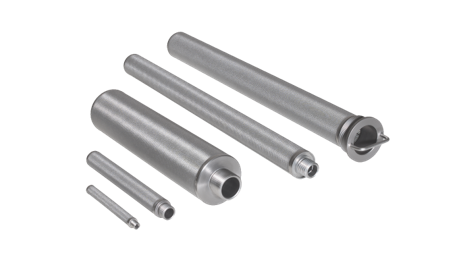
Absolutely. POROSTAR® downhole tubes are available in lengths from 3 to 9 meters (10' to 30') and can be customized with welding, end caps, spacers, and application-specific configurations. They are suitable for a variety of completion strategies, including open-hole, cased-hole, gravel pack, and ICD/AICD-integrated systems. Custom engineering ensures the screen is optimized for the reservoir, production objectives, and mechanical demands of the well.

ISO-9001

Engineered for Reliability. Manufactured for Downhole Performance.

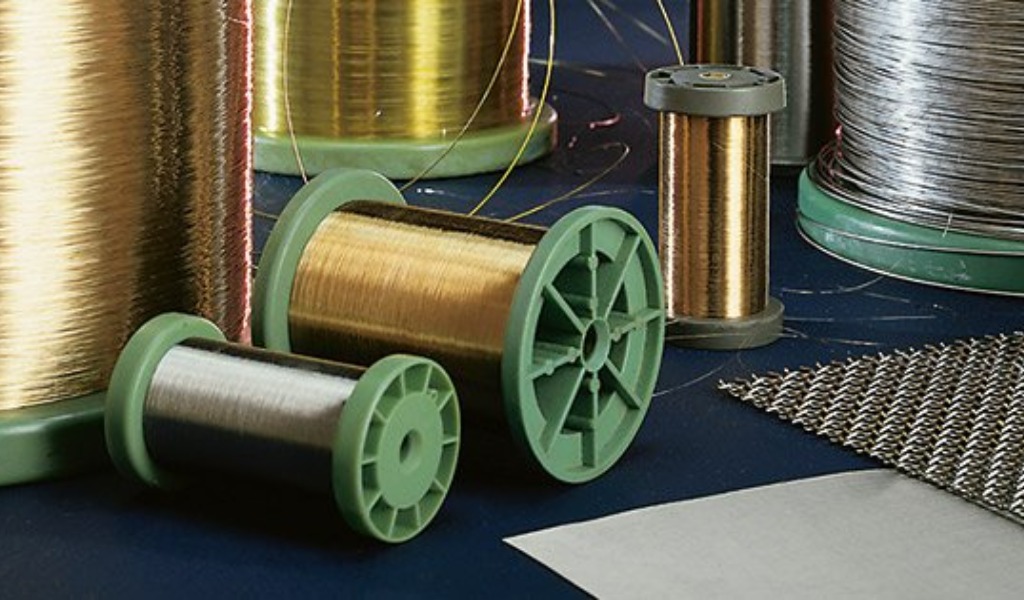
When sand control reliability matters, every detail counts. Porostar® downhole tubes are manufactured under rigorous quality standards, from wire weaving and mesh lamination through final fabrication and inspection. Complete material traceability, precision manufacturing, and application-specific engineering ensure consistent filtration performance, mechanical integrity, and long-term durability in demanding well environments.


The result? A premium sand control solution designed to maximize production, reduce intervention risk, and extend well life.


Explore Wire Mesh Solutions for Cleaner, Safer Pharmacuticals