Supporting the Evolving Needs of High-Performance Chromatography

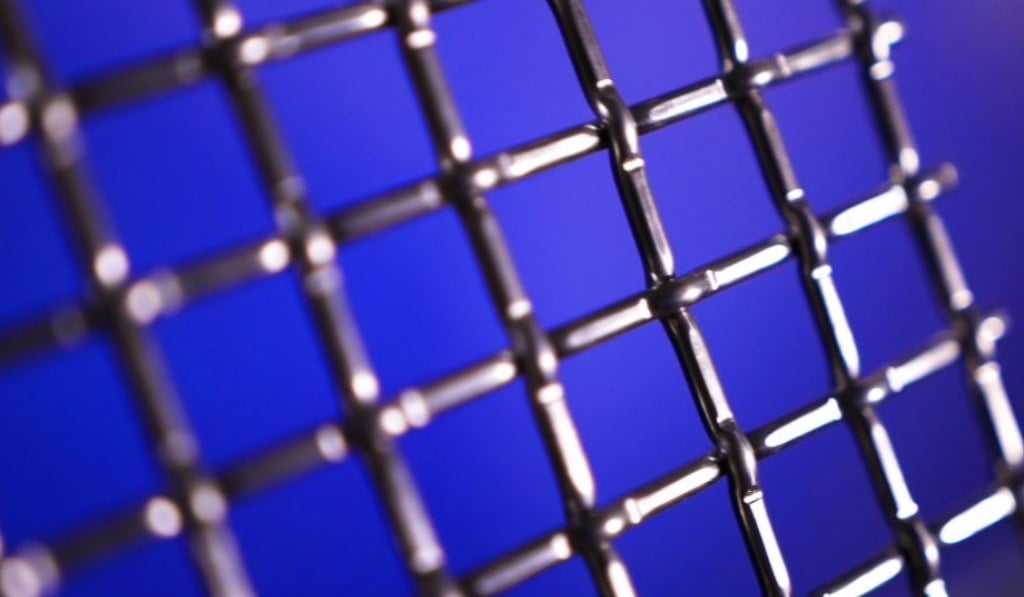
As high-performance liquid chromatography (HPLC) systems evolve to meet demands for greater speed, accuracy, and reliability, HAVER & BOECKER leverages 135 years of expertise to deliver precision-engineered wire mesh solutions that ensure stable frit performance, promote consistent flow, and enhance column integrity.

Driving Precision in Modern High-Performance Liquid Chromatography Systems

The ever-evolving High-Performance Liquid Chromatography (HPLC) process has generated a demand for faster, more precise separations across countless industries. At its core, HPLC is driven by a harmonious balance between mobile and stationary phases in efforts to isolate and analyze the chemical compounds of a given mixture.

With column efficiency becoming more and more indispensable, each component of your process must be unconditionally reliable.

The key to accurate results that combat system disruptions? Consistency in flow distribution, particle retention, and pressure stability.

For this reason, more chromatography professionals are beginning to rely on advanced materials that can accommodate the high-performance expectations of the industry.

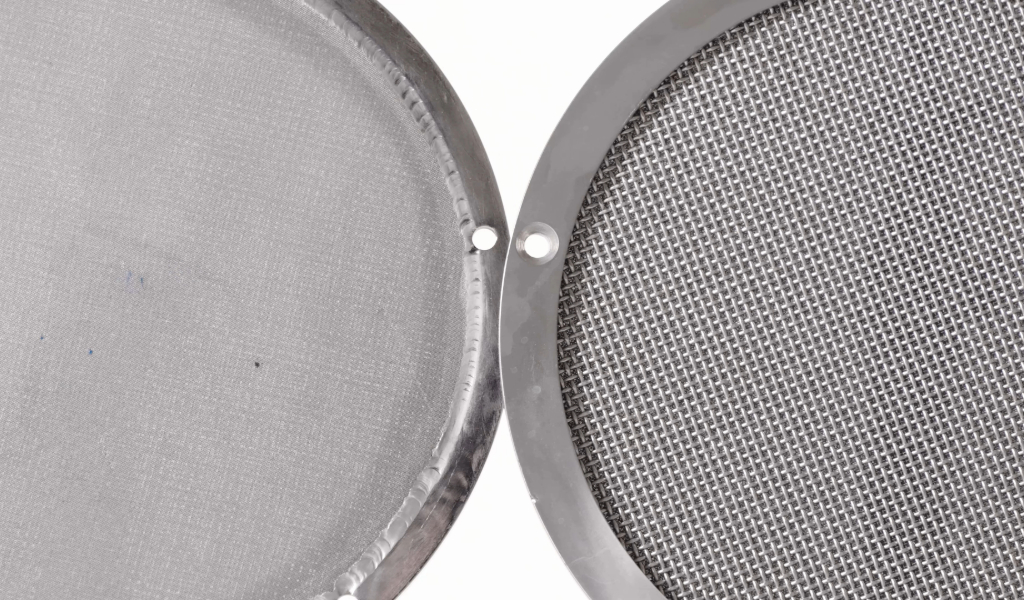
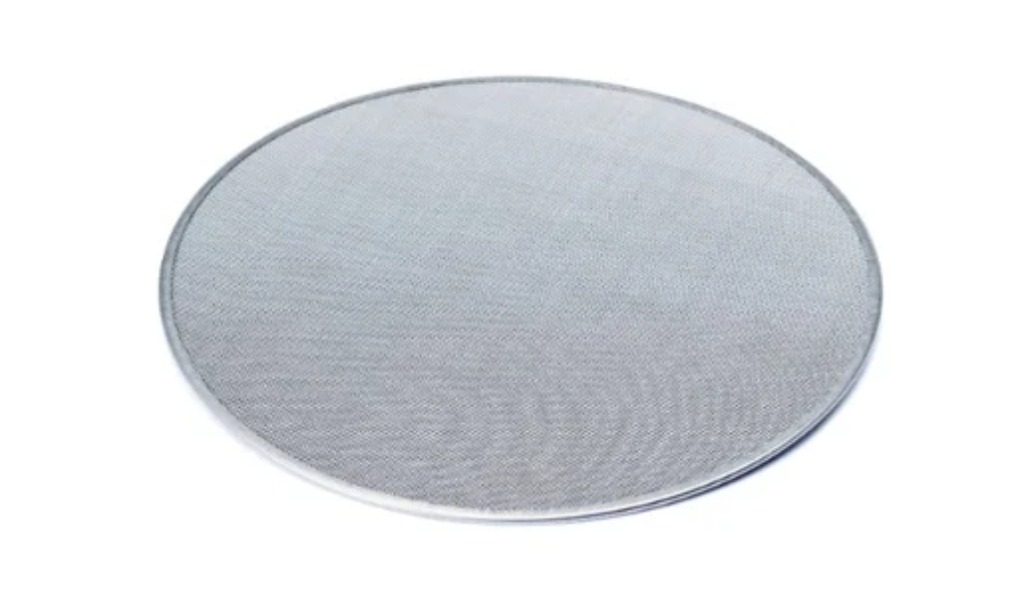
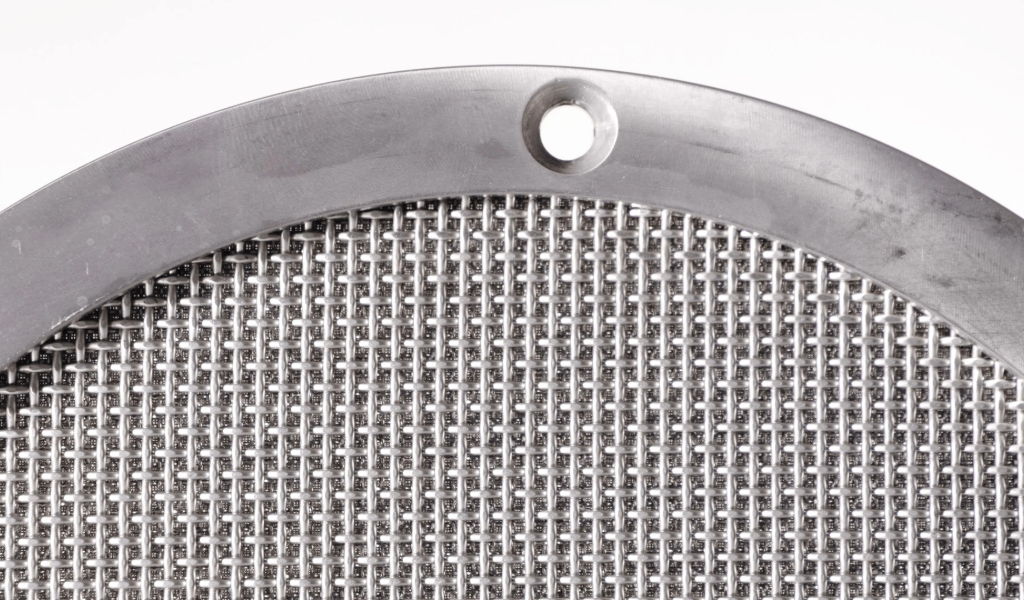
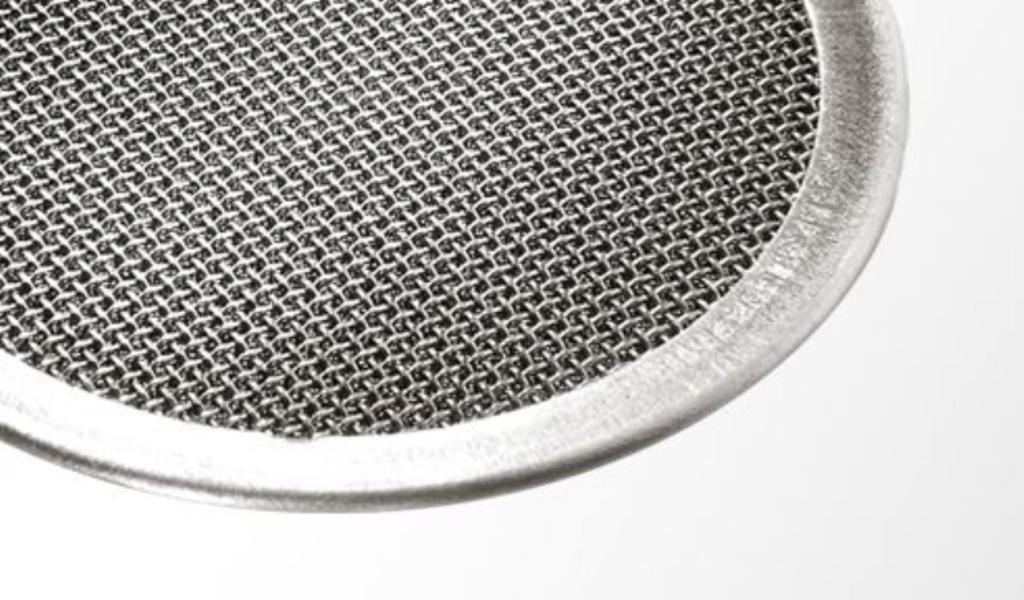
HAVER & BOECKER’s wire mesh laminate, POROSTAR, offers both the structural integrity and precision needed to support peak chromatography column performance. Whether used as a frit or integrated into a larger filtration element, POROSTAR delivers consistent support to keep your HPLC processes running at peak efficiency.

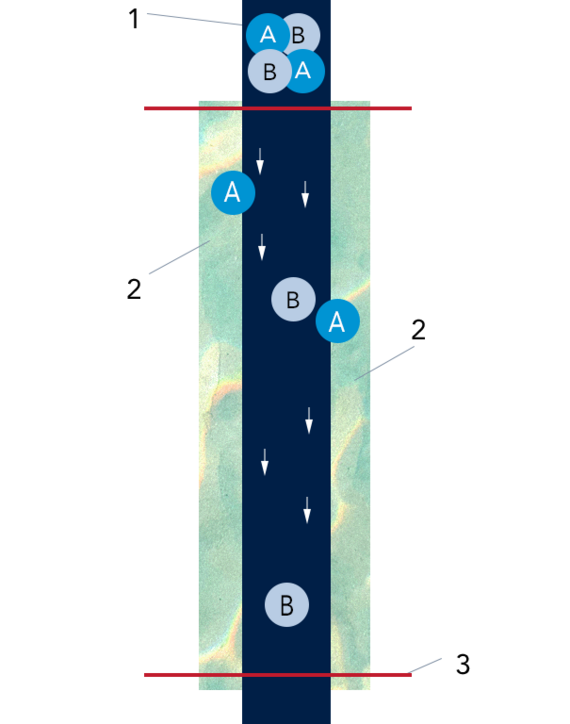
Chromatograpghy_Diagram
1 – Mobile Phase | 2 – Stationary Phase | 3 – Frit Support
A & B – Individual substances within the mixture

Unlock Unparalleled Seration Precision With Wire Mesh Laminate Chromatography Frits

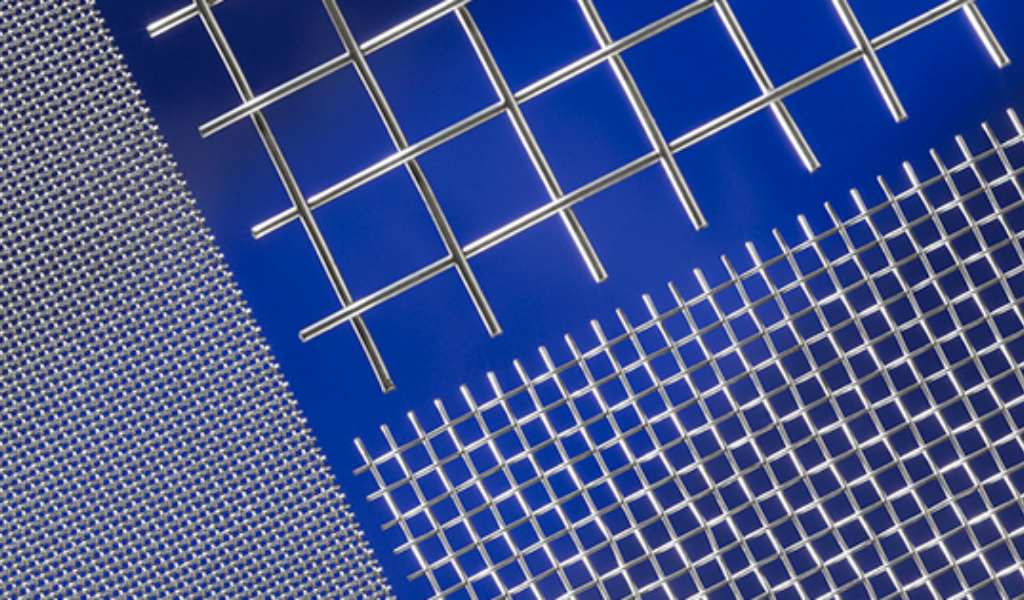
HAVER & BOECKER POROSTAR precision-grade woven wire mesh laminates give chromatography columns superior stationary-phase support. Uniform pores and exceptional strength maintain consistent flow, secure phase retention, and long frit life, while broad chemical resistance makes them a versatile choice for even the toughest separations. Count on these performance-driven frits to deliver accurate, repeatable results every run.

Challenges Sintered Wire Mesh Laminates Can Solve

favicon

Inconsistent Flow Distribution
Uneven flow through the column can lead to inaccurate separations and longer run times. Sintered mesh laminates offer uniform pore structure, promoting even flow across the entire column.

favicon

Channeling and Dead Zones
Improper frit design can create paths of least resistance, causing channeling. Laminated mesh helps eliminate dead zones by evenly distributing pressure and mobile phase flow.

favicon

Particle Migration and Media Loss
Without a stable frit, packing media can migrate or leak, degrading performance. The precise retention capabilities of sintered mesh prevent particle loss while supporting the stationary phase.

favicon

Limited Chemical Compatibility
Harsh solvents and pH extremes can corrode or degrade some frit materials. Stainless steel sintered mesh offers broad chemical resistance to extend component lifespan.

favicon

Pressure Instability Under High Loads
HPLC systems operate under extremely high pressures. Sintered laminates provide exceptional mechanical strength and dimensional stability to prevent deformation or failure under stress.

favicon

Frequent Frit Replacement or Downtime
Traditional frits may clog or deform over time, requiring frequent maintenance. Sintered wire mesh frits resist clogging and wear, reducing downtime and increasing system uptime.

Engineered for Precision in Every Phase of Chromatography

Crafted using a specialized sintering process to bond multiple layers of precision wire mesh, POROSTAR laminated panels are the ideal media for robust chromatography frit fabrications. Placed at both ends of the stationary phase, POROSTAR chromatography frits are key to preserving column integrity through heighten stationary phase support and the promotion of consistent flow of the mobile phase.

Outfitted with precise pore uniformity, POROSTAR effectively combats particle migration, keeping unwanted contaminants at bay. This ultimately results in stable elution profiles, peak separation accuracy, and results you can proudly stand behind.

POROSTAR Standard

Specification designed to make applications where unbalanced loads are present more manageable. The 5 layer configuration from top to bottom is Protection Layer, Filtration Layer, Protection Layer, Support Layer, Support Layer. The 6 layer configuration also adds a drainage layer on the bottom.


POROSTAR Hiflo

Specification designed to maximize flow capacity. POROSTAR Hiflo consists of four layer of variating mesh specifications ranging from 20 mm to 100 mm.


POROSTAR Light

Specification designed to make the fabrication of pleated cylinders and discs a breeze. The 3 layer configuration from top to bottom is Protection Layer, Filtration Layer, Protection Layer.


POROSTAR Combi

Specification designed to allow sand control filters to withstand high pressure loads. POROSTAR Combi takes the layer configurations of POROSTAR Standard, POROSTAR Light, or POROSTAR Hiflo and sinter bonds a perforated plate for heightened stability in high-volume applications.

Long-lasting Performance
Made Easy

The best way to prolong the lifespan and performance of your woven wire chromatography filter plates is regular maintenance. As they are constructed from stainless steel, they can be wiped clean, backflushed, and freed of all debris with relative ease.

Learn More →
Woven-Wire-Chromatography-Filter-Plate-shrink (1)
Wire-Mesh-Filter-Alloy

Hand-Picked Specialty Alloys

To best equip your woven wire chromatography filter plate to maintain its integrity under harsh chemical exposure, HAVER & BOECKER has identified alloy 316 and 904 stainless steel as the ideal alloys.

Learn More →

The Show Must Go On

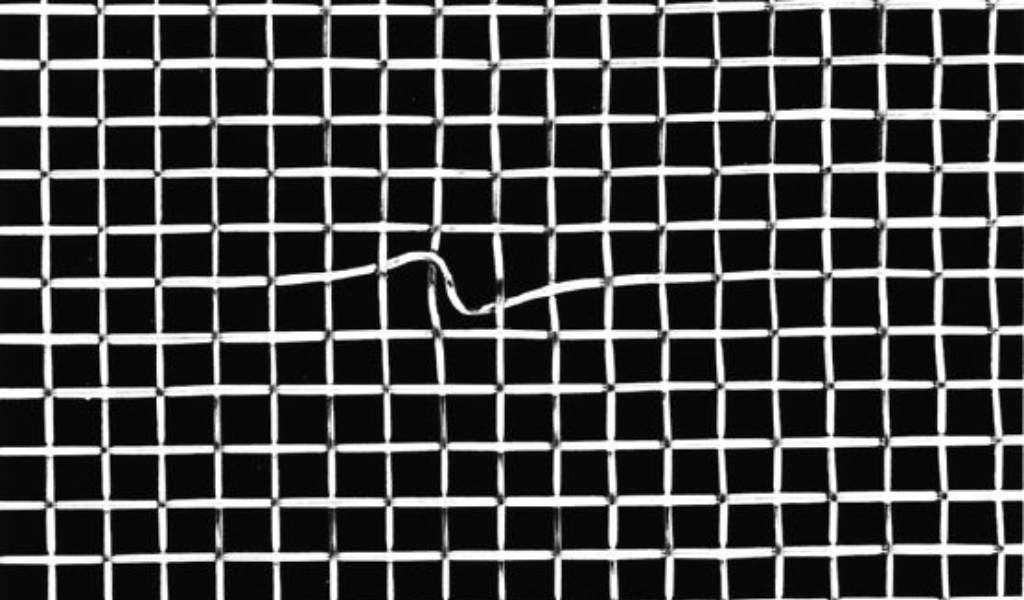
Despite being one of the more durable materials on the market, woven wire wear and tear is to be expected over time. Luckily, woven wire chromatography plates can be repaired in segments or in their entirety.

Learn More →
Sand-Screen-Weld
Chromatography-CTA

Precision You Can Rely On

Push the Boundaries of Chromatographic Precision

Learn how woven wire mesh supports chromatography systems that deliver cleaner, more accurate results while driving progress in science, medicine, and beyond.

Frequently Asked Questions

How does a wire mesh laminate improve flow distribution in chromatography columns?

Wire mesh laminates feature a precisely controlled, multilayered structure that promotes even distribution of the mobile phase across the stationary phase. This eliminates irregularities such as channeling or dead zones, all common issues that degrade separation efficiency.

By maintaining a consistent flow profile, these laminates help ensure sharper peaks, better resolution, and more reliable analytical results. The improved flow dynamics also support faster run times without sacrificing accuracy, allowing labs to increase throughput without compromising quality.

Can sintered wire mesh withstand the high pressures of modern HPLC systems?

Absolutely. Sintered wire mesh laminates like POROSTAR® are designed to excel in demanding high-pressure environments, withstanding system pressures exceeding 6000 psi (400 bar) depending on the application. Their robust, fused-layer structure prevents mechanical deformation, even under continuous use, ensuring that the frit remains dimensionally stable and structurally sound.

This not only protects the integrity of the stationary phase but also reduces the risk of equipment damage and costly system failures, providing peace of mind in mission-critical applications.

Are wire mesh frits chemically compatible with aggressive solvents?

Yes. POROSTAR® is available in corrosion-resistant stainless steel alloys such as 316L, which offer excellent chemical compatibility with the wide range of solvents used in HPLC, including highly acidic, basic, or organic compounds. This resistance to chemical degradation helps preserve the filter’s structure and performance over time, even in aggressive environments.

As a result, chromatography labs benefit from longer-lasting components, less frequent replacements, and greater consistency in results, especially in applications that demand rigorous solvent exposure.

How do wire mesh laminates affect column longevity and maintenance?

Sintered wire mesh frits offer exceptional durability, resisting clogging, deformation, and erosion better than traditional porous materials. Their strong, self-supporting structure provides superior mechanical strength, reducing the likelihood of failure or the need for unplanned maintenance.

Because of this, columns equipped with wire mesh laminates often require fewer replacements, less downtime, and lower maintenance costs. This translates to increased productivity and operational efficiency for chromatography professionals working in fast-paced lab environments.

Can wire mesh laminates be customized for specific column geometries or performance needs?

Yes. One of the key advantages of solutions like POROSTAR® is their high degree of customizability. These laminates can be manufactured with specific pore sizes, layer counts, thicknesses, and shapes to align with the exact needs of your chromatography system—whether you're working with analytical or preparative-scale HPLC.

This level of customization ensures optimal flow control, mechanical compatibility, and separation performance for each unique application, making POROSTAR an ideal solution for both OEMs and labs seeking performance-tailored components.

Discover the Potential of Wire Mesh in Chromatography

Tailored vs. Standardized Frits in Chromatography Columns-featured-image

Tailored vs. Standardized Frits in Chromatography Columns

Click to view Tailored vs. Standardized Frits in Chromatography Columns
Selecting hardware for a chromatography column usually involves balancing cost, availability, and...
GO TO BLOG POST Click to view blog post
Maintaining Stationary Phase Stability in Chromatography Columns-featured-image

Maintaining Stationary Phase Stability in Chromatography Columns

Click to view Maintaining Stationary Phase Stability in Chromatography Columns
A highly efficient chromatography column requires an unyielding, stationary media bed to separate chemical...
GO TO BLOG POST Click to view blog post
Defining High Performance in Chromatography Columns-featured-image

Defining High Performance in Chromatography Columns

Click to view Defining High Performance in Chromatography Columns
In high-stakes laboratory and industrial processing environments, a well-optimized chromatography column...
GO TO BLOG POST Click to view blog post
What Causes Poor Flow Distribution in Chromatography Columns?-featured-image

What Causes Poor Flow Distribution in Chromatography Columns?

Click to view What Causes Poor Flow Distribution in Chromatography Columns?
Attaining reliable analytical results requires steady, predictable fluid movements through the stationary bed...
GO TO BLOG POST Click to view blog post
The Role of Flow Distribution in Chromatography Accuracy-featured-image

The Role of Flow Distribution in Chromatography Accuracy

Click to view The Role of Flow Distribution in Chromatography Accuracy
Achieving pristine data resolution in the analytical laboratory requires perfect synchronization between the...
GO TO BLOG POST Click to view blog post
How Accelerated Chromatography Methods Affect Analytical Chemistry-featured-image

How Accelerated Chromatography Methods Affect Analytical Chemistry

Click to view How Accelerated Chromatography Methods Affect Analytical Chemistry
The demand for faster data turnaround is completely rewriting the rules of the modern analytical laboratory....
GO TO BLOG POST Click to view blog post
Eliminating the Bottlenecks: Overcoming Common Chromatography Challenges-featured-image

Eliminating the Bottlenecks: Overcoming Common Chromatography Challenges

Click to view Eliminating the Bottlenecks: Overcoming Common Chromatography Challenges
Keeping your fluid velocity steady and getting sharp, clean peaks is a constant challenge in busy testing and...
GO TO BLOG POST Click to view blog post
Quality Control and Its Role in Chromatography Performance-featured-image

Quality Control and Its Role in Chromatography Performance

Click to view Quality Control and Its Role in Chromatography Performance
When it comes to chromatography, even the smallest inconsistency can throw off an entire process. If you’re...
GO TO BLOG POST Click to view blog post
Preventing Chromatography Failure: How to Identify Wire Mesh Damage-featured-image

Preventing Chromatography Failure: How to Identify Wire Mesh Damage

Click to view Preventing Chromatography Failure: How to Identify Wire Mesh Damage
When chromatography results begin to shift, such as peaks becoming inconsistent, separations blurring, or...
GO TO BLOG POST Click to view blog post
The Value of Traceable Wire Mesh in Chromatography Compliance-featured-image

The Value of Traceable Wire Mesh in Chromatography Compliance

Click to view The Value of Traceable Wire Mesh in Chromatography Compliance
When working in regulated chromatography environments, one detail often determines whether your process holds...
GO TO BLOG POST Click to view blog post

Schedule your meeting with a HAVER & BOECKER advisor to get started.